Artists: Antonella Albani, Paola Alviano Glaviano, Salvatore Attanasio Avitabile, Petra Brnardic, Werther Germondari, Divya Vinod Gilatar, Michael Knoten, Gulia Lusikova, Florindo Rilli.
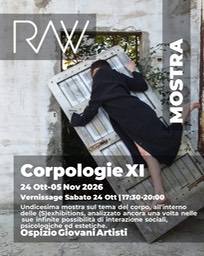
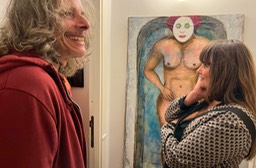
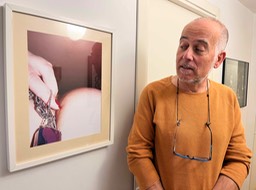
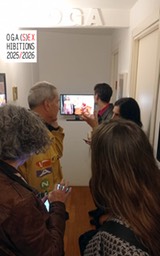
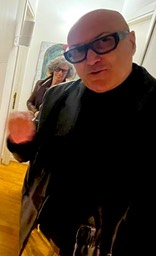
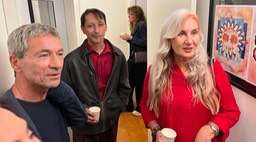
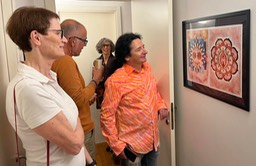
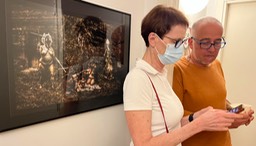
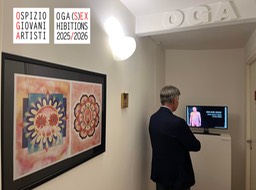
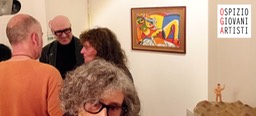
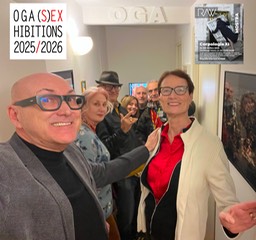
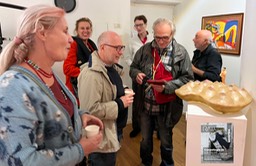
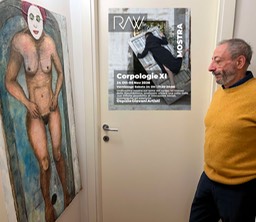
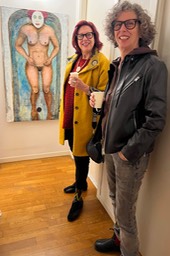
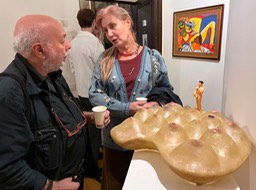
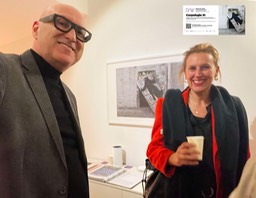
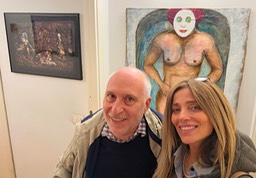
Eleventh exhibition on the theme of the body, within the (S)exhibitions, analyzed once again in its infinite possibilities of social, psychological and naturally aesthetic interaction, through the works of nine international artists, part as always of the OGA Collection.
Undicesima mostra sul tema del corpo, all’interno delle (S)exhibitions, analizzato ancora una volta nelle sue infinite possibilità di interazione sociali, psicologiche e naturalmente estetiche, attraverso le opere di nove artisti internazionali, provenienti come sempre dalla Collezione OGA.
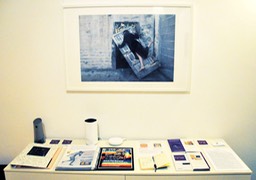
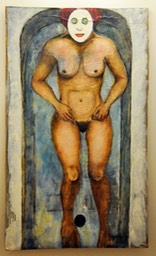
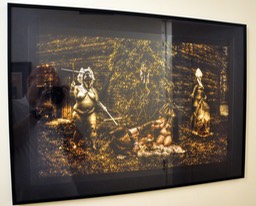
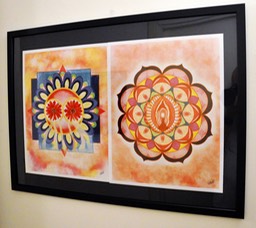
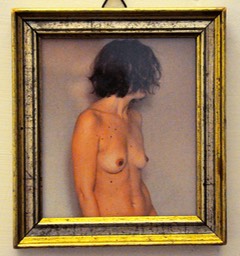
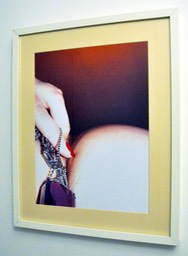
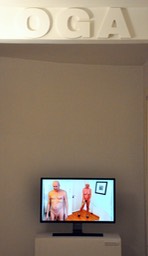
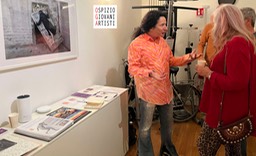
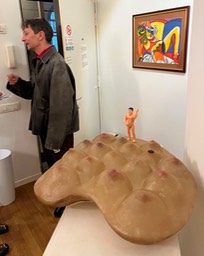
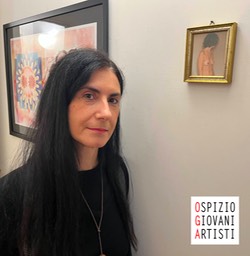
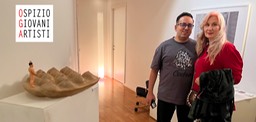
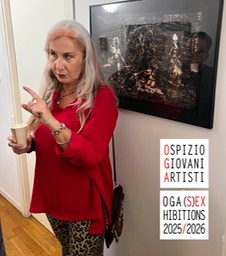
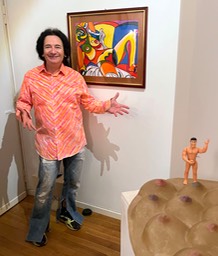
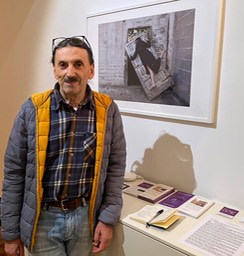
Antonella Albani (Roma, Italy, 1972). After graduating in Applied Arts with a specialization in "Artistic Photography" and "Advertising Graphics", she graduated with honors in "History of Modern Art" at La Sapienza University, with a thesis on Raphael's legacy in Western painting. Her works tell of the expectation of something that will never happen. The action of her characters moves around a suspension, the latter are often immobile, crystallized. It is a photograph tinged with metaphysics and at times ironic surreality------, which often denounces a loneliness, especially of the female figure.
Salvatore Attanasio Avitable (Plan of Sorrento, Italy, 1972). Artist for three generations, his artistic destiny is already marked in the first months of his life! He will later remember an episode that happened when he was in his white cradle: his gaze rests on a painting by the painter's aunt, and he recognizes in the figures a very sad motherhood, the painted face of the mother is bitter, the child seems dead, the two figures sink into a black backdrop, impressed Salvatore reacts in the only way he knows, and cries in fear. From that moment on, art enters his life and will never leave him again.
Petra Brnardic (Zagreb, Croatia, 1978) Graduated at the Academy of Fine Arts in Zagreb in 2004, she is working on short experimental movies for several years, and she usually use collage technique and surreal, vivid, psychedelic imagery inspired by silent movie era, underground and cult movies mostly from the 60s-early 80s, horror and camp aesthetics and other forms of arts. “My cinema is visual poetry, often brutal, macabric, hallucinant and full of polarities, like sex and death or good versus evil, just like the deepest caves of human psyche and ocean of subconsciousness”.
Werther Germondari (Rimini, Italy, 1963) Visual artist, performer and filmmaker. Interested in innovative experimental dynamics that are neo-conceptual and situational, characterized by a taste for the ironic and surreal, Germondari has experimented for 40 years through many different expressive media (painting, installations, photography, film, videos, live performance). Germondari's works have also been shown in solo exhibitions where he focuses on hidden elements highlighted in styles. In 2013 he founded the OGA.
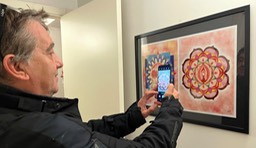
Divya Vinod Gilatar (1991, Mumbai, India) is a UK-based contemporary artist, writer and educator, and founder of The Queendom Studio. Her practice explores Shakti, sacred geometry, feminine embodiment, spirituality and transformation through contemporary visual storytelling. Her work has been exhibited internationally across the UK, Europe, Asia and the United States, including her Chakra Mandala and Shakti in Motion series.
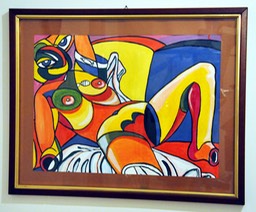
Paola Alviano Glaviano (Roma, Italy, 1962) she graduated in 1980 from the I Liceo Artistico in Via di Ripetta; later, while attending the faculty of Architecture and the Scuola Libera del Nudo, she deepened her interest in the human body, which will play a significant role in her career as a painter. The constant search for new techniques evolves quickly, from the brush to the spatula, from color to black and white and then back to polychromy and again to monochrome with the use of bitumen. From jute canvas and subsequently to cardboard, which represents her current phase.
Micheal Knoten (Fratiskovy Lazne, Czech Republic, 1984) works as a laborer in metal production. He has devoted himself to artistic creation since childhood. "In the course of my life, inspired by my surroundings, I began a sincerely misanthropic artistic path, exploring the dark sides of the human soul." For more than ten years, he has devoted himself to digital photography and graphic design, following the principles of pictorialism. He has had many solo exhibitions, and has many audiovisual collaborations for extreme metal bands to his credit.
Gulia Lusikova (Minsk, Belarus, 1967) is a graduate of the Academy of Fine Arts in Minsk. After an intense artistic activity in the former Soviet Union, where Gulia was a member of the avant-garde group BLO in Minsk and exhibited several times at the St. Petersburg gallery Pushkinskaya 10. He then participated in exhibitions in France and Germany. He moved to Rome in 1993 and began collaborating with the Pio Monti, Nuova Pesa and Matteo Boetti Galleries and with various critics. In conjunction with his daughter Karolina, he participated in the 14th Quadriennale in Rome.
Florindo Rilli (Cagli, Italy, 1962) starts in the 90s his photographic research. Concentrating on the body, he enjoys playing with it and making it so versatile that most of the time it is both subject and object of representation. Interesting is also the relationship that manages to create with contemporary dance and theater in general. Other experiences come when she faces the perverse world of fetish, often adopting the technique of bondage to fragment the body and make it more explorable. Numerous participations in solo and group exhibitions.
————————————
Antonella Albani (Roma, 1972). Dopo il diploma d’Arte Applicata con specializzazione in “Fotografia Artistica” e “Grafica Pubblicitaria”, si laurea con lode in "Storia dell'Arte Moderna" all’Università La Sapienza, con una Tesi sull’eredità di Raffaello nella pittura Occidentale. Le sue opere raccontano l'attesa di qualcosa che mai accadrà. L’agire dei suoi personaggi si muove intorno a una sospensione, questi ultimi sono spesso immobili, cristallizzati. È una fotografia venata di metafisica e a tratti ironica surrealtà, che spesso denuncia una solitudine, in particolare della figura femminile.
Salvatore Attanasio Avitabile (Piano di Sorrento, 1972). Artista da tre generazioni, il suo destino artistico è segnato già nei primi mesi di vita! Ricorderà in seguito un episodio accaduto nella sua culla bianca: il suo sguardo si posa su di un quadro dalla zia pittrice, e riconosce nelle figure una maternità molto triste, il volto dipinto della madre è amareggiato, il bambino sembra morto, le due figure sprofondano in un fondale nero, impressionato. Salvatore reagisce nell’ unico modo che sa, e piange impaurito. Da quell’istante l’arte entra nella sua vita e non lo lascerà mai più.
Petra Brnardic (Zagabria, Croazia, 1978) Laureata all'Accademia di Belle Arti di Zagabria nel 2004, sta lavorando a brevi film sperimentali da diversi anni e di solito usa la tecnica del collage e immagini surreali, vivide e psichedeliche ispirate all'era del cinema muto, film underground e cult per lo più dagli anni '60-primi anni '80, estetica horror e camp e altre forme d'arte. "Il mio cinema è poesia visiva, spesso brutale, macabra, allucinante e piena di polarità, come il sesso e la morte o il bene contro il male, proprio come le grotte più profonde della psiche umana e l'oceano del subconscio".
Werther Germondari (Rimini, 1963) Artista visivo, performer e filmmaker. Attento a dinamiche innovative sperimentali neo-concettuali che si caratterizzano per un gusto ironico e surreale, svolge dai primi anni ottanta una ricerca attraverso numerosi media espressivi. Ha partecipato a esposizioni in gallerie private e spazi sperimentali internazionali, alternando installazioni d’ambiente, videowork e atti performativi, focalizzando l’attenzione su elementi nascosti, attinenti a una visione reale, sociale e politica. Nel 2013 ha ideato l’Ospizio Giovani Artisti.
Divya Vinod Gilatar (1991, Mumbai, India) is a UK-based contemporary artist, writer and educator, and founder of The Queendom Studio. Her practice explores Shakti, sacred geometry, feminine embodiment, spirituality and transformation through contemporary visual storytelling. Her work has been exhibited internationally across the UK, Europe, Asia and the United States, including her Chakra Mandala and Shakti in Motion series.
Paola Alviano Glaviano (Roma, 1962) si diploma nel 1980 presso il I Liceo Artistico di Via di Ripetta; successivamente, mentre frequenta la facoltà Architettura e la Scuola Libera del Nudo, approfondisce l'interesse per il corpo umano, che avrà parte rilevante nel suo percorso di pittrice. La ricerca costante di nuove tecniche si evolve velocemente, dal pennello passa alla spatola, dal colore al bianco e nero per poi tornare alla policromia e di nuovo al monocromatico con l'uso del bitume. Dalla tela juta e successivamente al cartone, che rappresenta la sua fase attuale.
Micheal Knoten (Fratiskovy Lazne, Repubblica Ceca, 1984) lavora come operaio nella produzione del metallo. Si dedica alla creazione artistica dall’infanzia. “Nel corso della mia vita, ispirato dall’ambiente circostante, ho iniziato un percorso artistico sinceramente misantropico, che esplora i lati oscuri dell’anima umana”. Da oltre dieci anni si dedica alla fotografia digitale e alla grafica, seguendo i principi del pittorialismo. Ha realizzato molte mostre personali, e ha al suo attivo molte collaborazioni audiovisive per band di metal estremo.
Gulia Lusikova (Minsk, Bielorussia, 1967) è diplomata all’Accademia delle Belle Arti di Minsk. Dopo un’intensa attività artistica nell’ex Unione Sovietica, dove Gulia fa parte del gruppo d’avanguardia BLO di Minsk ed espone più volte alla galleria di San Pietroburgo Pushkinskaja 10. Partecipa poi ad esposizioni in Francia e in Germania. Si trasferisce a Roma nel 1993 e comincia a collaborare con le Gallerie Pio Monti, Nuova Pesa, Matteo Boetti e con vari critici. In connubio con sua figlia Karolina ha partecipato alla XIV Quadriennale di Roma.
Florindo Rilli (Cagli, 1962) dagli anni 90 inizia la sua ricerca fotografica. Concentrandosi sul corpo si diverte a giocare e renderlo così versatile da risultare il più delle volte soggetto e insieme oggetto della rappresentazione. Interessante è anche il rapporto che riesce a creare con la danza contemporanea e il teatro in genere. Sperimenta anche nel mondo del fetish, adottando spesso e volentieri la tecnica del bondage per frammentare il corpo e renderlo così segmentato più esplorabile. Numerose le sue partecipazioni a mostre personali e collettive.